

The Nature of Chance in Gambling
Chance is an inherent element of gambling, fundamentally influencing the outcome of games and bets. It refers to unpredictable events that can determine victory or defeat. Unlike games governed solely by skill, such as chess, gambling outcomes are heavily influenced by random variables. This unpredictability draws many players to various forms of gaming, including popular options like canadian betting sites , creating an allure that is both exciting and daunting, often leading to a blend of enthusiasm and trepidation in their gambling experiences.
The randomness associated with chance means that the outcome of each game or bet is independent of previous results. For instance, in a game of roulette, the odds remain consistent regardless of the outcomes of previous spins. This can lead to a common misconception among players who may believe that past results can influence future outcomes. As a result, they often grapple with the dichotomy between strategy and luck. While some players employ techniques based on probability, the underlying chance remains a critical factor that can make or break a gambling experience.
Additionally, understanding chance in gambling not only enhances the player’s experience but also serves as a reminder of the risks involved. It can produce a thrilling yet precarious balance between hope and despair. Players must remain aware of their own limitations and the randomness of outcomes, ensuring that they engage in gambling as a form of entertainment rather than a guaranteed pathway to financial success. This understanding fosters a more responsible approach to gaming, encouraging players to enjoy the thrill without losing sight of the inherent risks.
The Psychological Impact of Chance
The role of chance in gambling extends beyond mere mathematics; it delves deeply into psychological realms. Gamblers often experience a phenomenon known as “gambler’s fallacy,” where they mistakenly believe that past events can influence future outcomes. For example, if a player notices that a particular number hasn’t come up in a while during a game of craps, they may predict it is “due” to appear. This misunderstanding of chance can lead to risky decision-making and potentially significant losses, as players may wager more in the hopes of recouping their losses based on faulty logic.
Furthermore, the thrill of chance can evoke powerful emotional responses. The anticipation that builds before a result is unveiled—such as the next card being drawn or the spin of a slot machine—creates a sense of excitement linked to risk. This psychological effect is what keeps players engaged, but it can also lead to problematic gambling behavior if not kept in check. Recognizing how chance influences emotions is crucial for maintaining a balanced approach to gambling, as the highs of winning can be intoxicating and the lows of losing can be devastating.
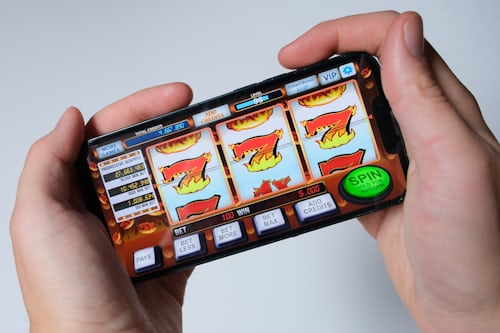
Gaining insight into the psychological implications of chance can help gamblers develop a more strategic approach to their gameplay. By understanding their own cognitive biases and recognizing the role of luck, players can mitigate the risks associated with gambling. Learning to separate emotion from decision-making can foster a healthier gambling experience, allowing individuals to appreciate the thrill of chance while managing their gameplay responsibly. This knowledge empowers players to make informed choices, enhancing their overall enjoyment and reducing the potential for negative experiences associated with gambling.
The Mathematics Behind Chance
At the core of gambling lies the mathematical principles of probability and statistics. Understanding these can significantly enhance a player’s insight into how chance affects their games. Probability quantifies the likelihood of a particular outcome occurring, helping players make informed decisions about their strategies. For example, in card games like poker, knowing the odds of drawing a certain hand can influence betting behavior, leading to more strategic play where players can leverage their knowledge of probability to their advantage.
Moreover, the concept of the house edge is vital when discussing the mathematics of gambling. The house edge represents the statistical advantage that a gaming establishment has over players. This advantage is built into the games, meaning that over time, the house is expected to win a certain percentage of all bets placed. Players need to understand the house edge to contextualize the role of chance, emphasizing that while they may win in the short term, the odds are generally against them in the long run. This knowledge can help players approach gambling with a more realistic mindset.
Players who delve deeper into the mathematics of chance may find themselves better equipped to handle losses and manage their expectations. By approaching gambling with a statistical mindset rather than relying solely on intuition or luck, players can create a more fulfilling gaming experience. This knowledge empowers players to make rational choices, ultimately enhancing their overall enjoyment and responsibility while gambling, as they learn to appreciate both the skill and the inherent randomness involved in their games.
The Role of Chance in Different Gambling Games
Various gambling games illustrate the diverse ways chance operates within this realm. In games of pure chance, such as slot machines, the outcome is entirely random, and players have no control over their results. The random number generators used in these machines ensure that every spin is independent, reinforcing the central role of luck. This can lead to a very different player experience compared to games that involve skill, as the unpredictability in slots is absolute, and players must rely solely on chance.

Conversely, games like poker and blackjack involve a mix of chance and skill, allowing players to influence their outcomes through strategic decision-making. In poker, for example, players must adapt to the randomness of card distributions while employing strategies to outsmart their opponents. A skilled player may calculate the probability of winning based on their hand and their knowledge of the game. Yet, despite their skills, they remain at the mercy of chance, as the next card drawn could shift the entire dynamic of play. This unique blend of skill and luck makes poker particularly appealing to many players, as it requires both strategic thinking and an acceptance of uncertainty.
Understanding the role of chance across different gambling formats enriches a player’s ability to navigate these games effectively. By recognizing the interplay between randomness and skill, players can better appreciate the nuances of each game and set realistic expectations for their experiences. This awareness fosters enjoyment and encourages players to engage with various forms of gambling responsibly, allowing them to find a balance between the excitement of chance and the discipline of strategy.
Responsible Gambling and Understanding Chance
Responsible gambling practices are essential, especially when considering the role of chance in gambling. With a comprehensive understanding of how chance operates, players can make more informed decisions regarding their play. Recognizing that gambling outcomes are not in their control can help mitigate the emotional highs and lows associated with chance. This awareness encourages players to set limits and approach gambling as a form of entertainment rather than an investment strategy, emphasizing the importance of maintaining a healthy relationship with gaming.
Moreover, understanding chance allows individuals to develop a clear perspective on winning and losing. This perspective is vital in preventing problematic gambling behaviors that may arise from unrealistic expectations. Players who recognize the inherent unpredictability of gambling are better equipped to manage their bankrolls and resist the temptation to chase losses. This ultimately creates a healthier relationship with gambling, fostering an environment where players can enjoy the games without falling victim to the pitfalls of excessive risk-taking.
As players seek to enjoy their experiences responsibly, they should prioritize education about the games they engage in, especially regarding the role of chance. By fostering a culture of awareness and understanding, the gambling community can promote responsible gaming practices that emphasize enjoyment, safety, and the importance of maintaining control over one’s gambling activities. A knowledgeable player is more likely to find satisfaction in their gaming experience while keeping the thrill of chance in a healthy perspective.


